Do Dental Crowns Hurt? What Patients Should Expect
If you have been told you need a crown, one of the first questions that usually comes up is simple and direct: will it hurt?
The honest answer is that getting a dental crown is usually far less painful than people expect, but it is not always sensation-free. Most patients do well during the procedure because the tooth and surrounding tissue are numbed thoroughly. The part that tends to worry people most, the drilling, shaping, and fitting, is typically managed very comfortably in the chair. What patients notice more often is soreness afterward, especially around the gums, some temporary sensitivity to temperature, or a dull ache when the bite feels slightly off.
That difference matters. When people ask whether dental crowns hurt, they are often mixing together three separate experiences: the condition that made the crown necessary, the treatment itself, and the recovery afterward. A cracked tooth can hurt. Deep decay can hurt. A crown procedure can feel strange and tiring. Recovery can be mildly uncomfortable for a few days. Those are not the same thing, and sorting them out makes the whole process feel much more predictable.
In day-to-day practice, the patients who cope best are not the ones who feel nothing. They are the ones who know what normal discomfort looks like, what should settle down on its own, and what signs mean they should call the office.
Why a crown is needed in the first place
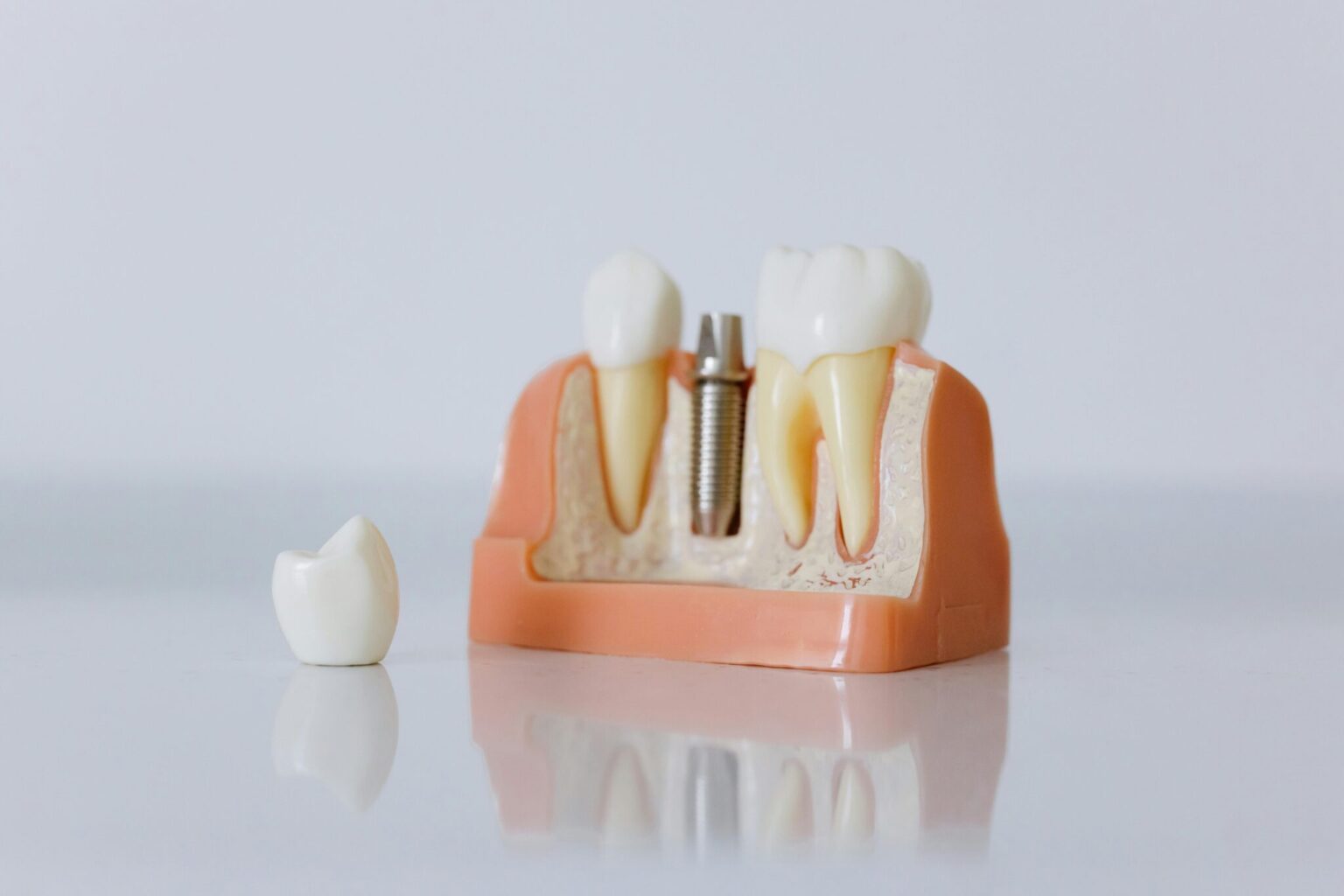
A crown is a custom-made cap that covers and protects a damaged tooth. Dentists recommend crowns when a tooth has lost too much structure to hold a simple filling reliably, when a crack needs support, after a root canal, or when a tooth is badly worn down. Cosmetic reasons can play a role too, but in many cases a crown is a structural decision, not just a cosmetic one.
The reason this matters is that the tooth’s starting condition has a huge effect on how the appointment feels. A healthy tooth being crowned after a fracture can behave very differently from a tooth with deep decay close to the nerve. If the inner pulp is already irritated before treatment, you may have more tenderness both before and after the crown is placed. Patients often assume the crown caused the soreness, when the tooth was actually inflamed well before the procedure began.
A useful comparison is a splint for an injured joint. The splint itself is there to protect, but if the joint was already angry and swollen, it can still take time to calm down. Teeth are no different.
What the procedure feels like during the appointment
Most crowns are done over two visits, though same-day crowns are available in some offices. In a traditional process, the first visit involves examining the tooth, numbing the area, reshaping the tooth, taking a scan or impression, and placing a temporary crown. At the second visit, the temporary is removed and the permanent crown is fitted and cemented.
During the first visit, the local anesthetic does most of the heavy lifting. You may feel the pressure of the injection and a brief pinch, but once the anesthetic is working, you should not feel sharp pain. Pressure, vibration, water spray, and the sound of the handpiece are common. None of those are pleasant for everyone, but they are not the same as pain.
This is where good communication with the dentist matters. If you feel a sharp zing while the tooth is being prepared, it usually means more anesthetic is needed, not that you are expected to push through it. Many anxious patients are surprised by how manageable the appointment becomes once they realize they can pause the procedure, raise a hand, and ask for more numbing. No one benefits from trying to be stoic in the chair.
The gum tissue around the tooth can also get a little irritated during preparation. Retraction cord or other methods may be used to gently move the gum aside so the margin of the crown can be captured accurately. This part can leave the area a bit sore later, especially if the gums were already inflamed from plaque buildup or bleeding.
If you are getting a crown after a root canal, the experience is often easier than expected because the nerve tissue inside the tooth has already been removed. If you are getting a crown on a vital tooth, meaning a tooth with a living nerve, temporary sensitivity afterward is more common.
What about the shot?
For many people, the injection is the part they dread most. In reality, the discomfort from numbing is brief. Topical anesthetic is usually applied first to reduce the sting on the surface. The dentist then gives the local anesthetic slowly, which makes a noticeable difference. A rushed injection tends to be the one patients remember.
The location also matters. Some areas of the mouth numb very easily. Others, especially lower molars, can be more stubborn and may require extra time or additional anesthetic. If you have had trouble getting numb in the past, tell your dentist before the procedure starts. That information is genuinely useful. It changes the plan.
After the injection, you can expect a heavy, swollen feeling in the lip, cheek, or tongue for a few hours. It feels odd, but it is normal.
The temporary crown phase can be the most annoying part
A lot of patients assume the permanent crown is the difficult part. In practice, the temporary crown is often the part that brings the most little frustrations. Temporary crowns are made to protect the tooth between visits, but they are not meant to feel as smooth or durable as the final restoration. They can feel slightly bulky, rougher than a natural tooth, or mildly sensitive.
Because the temporary is held in with weaker cement, it can loosen if you chew sticky foods or floss aggressively by lifting upward. That does not always mean anything went wrong. Temporary restorations are designed to come off more easily than permanent ones. Still, if one comes loose, it should be re-cemented rather than left off.
Some teeth are also more sensitive during this phase because the temporary does not seal the tooth quite as perfectly as the final crown. Cold drinks, sweets, and chewing pressure can trigger brief discomfort. Usually that settles once the permanent crown is bonded or cemented in place.
What is normal after the tooth is prepared
After the numbing wears off, many patients feel some degree of tenderness. The intensity varies, but mild soreness for a few Dental Crowns days is common. That soreness usually comes from one or more of three sources: the tooth itself reacting to preparation, the gums being a bit irritated, or the jaw muscles being tired from staying open during the appointment.
A patient might say, “It doesn’t hurt constantly, but I know something was done.” That is a pretty accurate description of normal recovery.
Sensitivity to cold is also common, especially with a temporary crown. A short, quick response that fades right after the trigger is removed is usually not alarming. A lingering throb that lasts minutes, wakes you at night, or keeps escalating is different. That can suggest the nerve inside the tooth is struggling and may need further evaluation.
Chewing tenderness deserves a little nuance. A mild ache when biting on a freshly prepared tooth can happen for a short period. Sharp pain when you bite down, or when you release your bite, deserves a closer look. That pattern can point to a high temporary crown, pressure on the ligament around the tooth, or a crack extending deeper than first thought.
When the permanent crown goes in
The second visit is usually shorter and easier. The temporary crown is removed, the tooth is cleaned, and the permanent crown is tried in. The dentist checks the fit, contacts with neighboring teeth, shape, color if appearance matters, and most importantly, the bite.
If the bite is just a little too high, you may feel like that tooth lands first every time you close. Patients describe it as “hitting before the others” or “feeling taller.” That kind of imbalance can make a crown feel sore even if the crown itself fits beautifully. Fortunately, it is often corrected with a simple adjustment.
Cementing the final crown should not be painful. You may feel pressure as it is seated. Once the cement sets and the numbing wears off, the tooth can remain mildly sensitive for a short time. Most crowns settle. A small number do not, and those are the ones that need follow-up.
One practical point patients appreciate hearing in advance is that a perfectly placed crown can still feel unfamiliar for a week or two. Your tongue notices tiny differences in contour that your eyes would never pick up. New does not always mean wrong.
How much pain is too much?
This is the question that usually matters most at home.
Some discomfort is expected. Severe pain is not. If you need a simple rule of thumb, think in terms of trajectory. Normal recovery tends to stay mild or steadily improve. Concerning pain becomes stronger, more frequent, or more spontaneous.
Pain that should prompt a call to the dental Dental Crowns office includes the following:
- Throbbing pain that does not improve with time or wakes you from sleep
- Sharp pain when biting that feels concentrated on the crowned tooth
- A bite that feels clearly uneven or too high
- Swelling of the gum, cheek, or face
- A temporary or permanent crown that feels loose or comes off
That short list covers most situations where an adjustment or exam makes sense. In practice, many post-crown complaints are fixable, and fixable does not mean failure. A bite adjustment, smoothing a contact point, re-cementing a temporary, or checking the nerve status of the tooth can often solve the problem quickly.
Why some crowns hurt more than others
Not every crown case behaves the same way. A front tooth with a cosmetic crown often has a different recovery profile than a heavily filled molar that has taken years of chewing stress. The amount of remaining tooth structure matters. So does whether there was decay near the pulp, whether the tooth had a large old filling, and whether the patient clenches or grinds.
Patients who grind their teeth at night can be especially tricky. Even a well-made crown may feel sore if it is getting overloaded every night. Sometimes the issue is not the crown itself, but the force placed on it. That is why a night guard is not just a generic add-on. In the right patient, it is part of protecting the investment and keeping the tooth comfortable.
There is also an age factor, though it is not as simple as younger versus older. Younger teeth often have larger pulp chambers, which means the nerve sits closer to the surface. That can make them more reactive after preparation. Older teeth may have less responsive pulps, but they can have their own issues, including cracks, heavy restorations, and brittle enamel.
How dentists keep crown treatment comfortable
Good anesthesia is the obvious piece, but it is not the only one. Comfort also depends on planning, pacing, and precision. A rushed crown prep on a sensitive tooth tends to create more problems later. A careful prep, solid temporary, and accurate bite check often make recovery much smoother.
Patients with dental anxiety have more options now than they did years ago. In addition to local anesthesia, some offices offer nitrous oxide or oral sedation for appropriate cases. Those approaches do not necessarily remove every sensation, but they can make the appointment far more tolerable for someone who tends to tense up, breathe shallowly, or expect pain at every step.
There is also a practical side to comfort that often gets overlooked. If you have jaw joint issues, tell the team before the appointment begins. Holding the mouth open for a long time can be harder on the jaw muscles than on the tooth. Short breaks, a bite block, and a gentler schedule can make a major difference.
What helps once you get home
Most patients do not need much beyond common-sense care after a crown appointment. Soft foods on the treated side for the first day or so can help if the tooth feels tender. Warm salt water rinses may soothe irritated gums. Over-the-counter pain relief can be useful if your dentist says it is appropriate for you. If you received a temporary crown, avoiding sticky candies, gum, and very hard foods is wise until the permanent crown is placed.
A few simple habits tend to make recovery easier:
- Chew gently on the treated side until the soreness fades
- Keep the area clean, but floss carefully around a temporary crown
- Avoid very hot or very cold foods if the tooth feels sensitive
- Call promptly if the bite feels off rather than waiting weeks
- Wear a night guard if you have been told you grind your teeth
That last point is easy to dismiss, especially if the crown feels fine during the day. But plenty of post-crown tenderness turns out to be nighttime force, not daytime chewing.
Crowns after root canal, are they different?
Yes, often in a good way. A crown placed after root canal treatment usually covers a tooth that no longer has a live pulp. Because of that, the deep temperature sensitivity many patients worry about is less likely. The procedure can still cause gum soreness or bite tenderness, but the nerve-related pain profile is different.
That said, a root canal tooth is not invincible. If the bite is too high, the tissues around the root can still get inflamed. If there is infection at the root tip or a crack in the root, a crown will not hide that problem. Patients sometimes think, “It had a root canal, so it should not feel anything.” The tooth may not feel hot and cold in the usual way, but the ligament and bone around it can certainly register pressure and inflammation.
When a crown leads to a root canal later
This possibility worries people, and it should be discussed honestly. Most crowned teeth do not go on to need root canal treatment, but some do. The reason is not always that something was done wrong. Sometimes the tooth was already on the edge. Large fillings, old trauma, deep decay, and cracks can leave the pulp vulnerable. Even careful preparation can be the final stress that tips an unhealthy nerve into irreversible inflammation.
The pattern is usually recognizable. Instead of simple post-op soreness that fades, the tooth develops lingering temperature pain, spontaneous throbbing, or pain that builds over days rather than settling. If that happens, the next step is evaluation, not guesswork.
Patients appreciate directness here. A crown can save a tooth. It can also reveal that the tooth’s nerve was less healthy than anyone hoped. Both can be true.
A word on fear, because fear changes how pain feels
Pain is never purely mechanical. Anxiety amplifies sensation. If you go into a crown appointment expecting agony, every sound and vibration can feel charged. I have seen patients white-knuckle through the anticipation of the drill, only to admit afterward that the worst part was the dread, not the treatment.
That is not a character flaw. It is normal human physiology. Fear raises muscle tension, shortens breathing, and narrows attention onto every small sensation. Telling the dental team you are nervous is useful information, not an inconvenience. It allows them to explain more clearly, numb more patiently, and pace the visit more thoughtfully.
Sometimes a patient who had a genuinely painful dental experience years ago assumes every crown will be the same. Techniques, materials, and anesthesia have improved, but even more importantly, communication has improved. A good appointment often feels different not because dentistry became magical, but because someone took the time to listen and respond.
So, do dental crowns hurt?
For most people, the procedure itself is manageable and not sharply painful because the tooth is thoroughly numbed. What patients are more likely to notice is temporary soreness afterward, gum irritation, or sensitivity while wearing a temporary crown. Those symptoms usually improve within days, especially once the permanent crown is fitted and the bite is adjusted correctly.
The more important answer is this: dental crowns should not lead to severe, escalating pain that you are expected to ignore. If discomfort is increasing, if biting feels wrong, or if pain lingers beyond what your dentist described, speak up. A crown is one of the most routine and successful restorations in dentistry, but routine does not mean silent endurance. Good crown care includes good follow-up.
If you are preparing for a crown, the best expectation is not that you will feel absolutely nothing from start to finish. It is that the process should be controlled, understandable, and very tolerable, with clear help available if something does not settle the way it should. That is what a well-managed crown experience looks like in real life.
Omni Dental Specialty
1690 E Gonzales Rd, Oxnard, CA 93036, United States
+1 805-410-9603
FAQ About Dental Crowns
How long do crowns last on teeth?
A dental crown often lasts about five to fifteen years, although some last longer. Material, the underlying tooth, oral hygiene and grinding habits affect longevity. Regular dental examinations help identify wear, decay or a loose crown; no lifespan is guaranteed.
How much does a tooth crown cost?
There is no single price for every crown. Material, laboratory work, the condition of the tooth and any additional treatment affect the fee. Ask for a written estimate and confirm your insurance benefits, exclusions and out-of-pocket costs before treatment.
What is the downside of crowns on teeth?
A conventional crown usually requires irreversible removal of some tooth structure. Possible problems include sensitivity, chipping, loosening and decay at the crown margin; some teeth later need root canal treatment. Discuss your tooth's condition, material choices and suitable alternatives with your dentist.